Home 5 Sector 5 Magazine Publishing

Magazine Publishing

About British Columbia’s Magazine Publishing Industry

British Columbia’s magazine publishing industry is a cornerstone of the province’s creative economy, with over 230 unique titles spanning literary, lifestyle, arts and culture, news, business, and special interest publications – from automotive to farming to recreational activity. These magazines reflect the diverse interests and identities of British Columbians and attract local and global readers.  

B.C. publishers embrace both traditional print and digital platforms, leveraging web, social media, and mobile channels to connect with audiences and sustain advertising and circulation revenue. This adaptability ensures magazines remain relevant in an evolving media landscape. 

Industry professionals—writers, journalists, editors, designers, and publishers —are recognized for excellence in storytelling, design, and analysis. Their work delivers thought-provoking commentary, engaging narratives, and striking visuals that capture the lifestyle, spirit, and aesthetic of B.C., reinforcing the province’s cultural voice and creative leadership. B.C.’s publications deliver trusted journalism, compelling storytelling, and curated experiences that foster community and critical discourse. Despite economic pressures, B.C.’s magazines remain vital—connecting readers to ideas, identities, and local businesses while adapting to global trends that increasingly value premium, high-quality print experiences.¹ 

MagsBC is the industry’s association. 

BC Organic Grower

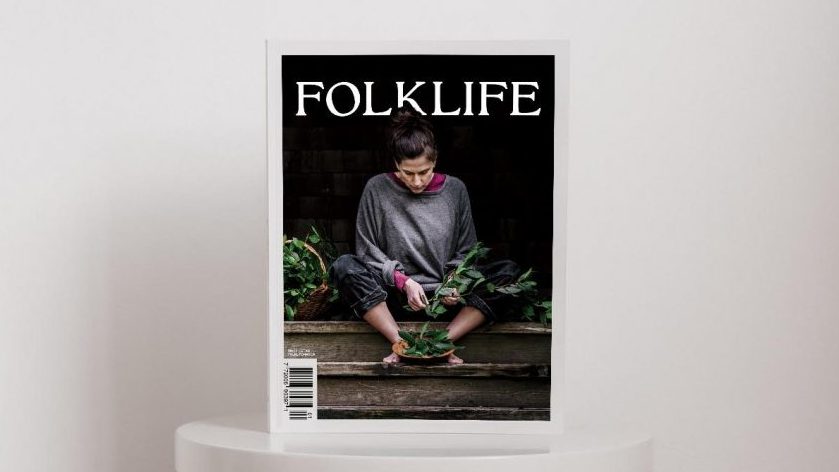
Folklife Magazine

Montecristo Magazine

Recent Impacts

$117M

Total GDP in B.C.

$132M

Direct Output in B.C.

1,655

Total Jobs

All results exclude any government subsidies received by industry.  1 GDP includes: labour compensation (wages, salaries, benefits), operating surplus (similar to profit), and taxes on production (excluding payroll taxes and product taxes like VAT), minus subsidies. GDP does not include: total sales, VAT, or payroll taxes; 2 Compound Annual Growth Rate; 3 Jobs are measured by hours worked (part- and full-time), not by the number of individuals; 4 overall economic spend including on supplies and services. 

The Magazine Publishing Industry Mapped Across the Sector Value Chain

Some of the “culture industries” as defined by Statistics Canada contribute to more than one creative industry, therefore these NAICS cannot easily be attributed to a single creative industry, nor can their business activities be proportionally allocated. In these cases, their economic contributions have been aggregated into CIERA™’s Multi-Creative Industry figures. Outlined bullets below are Multi-Creative Industry Services that do contribute to some extent to this value chain. See Multi-Creative Industry Services impacts.

See full annual CIERA™ tables and multiple years of data here.

Genres and Leading Titles

BC’s magazine ecosystem spans a wide range of genres, reflecting the province’s cultural diversity and entrepreneurial spirit. Titles include arts & culture, lifestyle, business, health, literature, social issues, environment, food & beverage, and niche sectors such as agriculture, hunting, and automotive.¹ Standout titles by circulation and profile include: 

  • British Columbia Magazine – ~122,000 copies per issue; travel, nature, heritage.
  • Western Living – ~102,000 copies per issue; home design, décor, food & wine.
  • Vancouver Magazine – ~50,000 copies per issue; lifestyle and city culture.
  • BC Business – ~30,000 copies per issue; business and leadership.
  • Montecristo – ~30,000 copies per issue; luxury lifestyle and culture.
Research + Reports
Recent industry insights and impacts of B.C.’s creative industries.
View Creative BC funding programs

Insights and Ecosystem

Trends, Challenges, and Opportunities

Global Trend: Print Revival

2024 marked a resurgence for premium print magazines worldwide. Bloomberg reports that luxury advertisers and affluent readers are driving demand for tactile, curated experiences that digital platforms cannot replicate. Voronoi adds that print hasn’t died—it has gone premium, becoming a cultural artifact rather than disposable media. Voices Media explains why: digital fatigue and a craving for permanence have made print a “lean-back” ritual, offering trust and depth in contrast to algorithmic feeds. For BC, this trend underscores opportunities for prestige titles like Montecristo and design-focused magazines such as Western Living to capitalize on the renewed appetite for premium print experiences.

Magazines in the Age of Disinformation

Magazines are uniquely positioned as trusted sources of curated, fact-checked content in a media environment increasingly dominated by algorithm-driven feeds and AI-generated misinformation. Reports like Magazines Canada’s Call to Action and the Faktisk case study highlight that disinformation erodes public trust and democratic discourse, making editorial integrity more critical than ever. These insights show that magazines can differentiate themselves by doubling down on trust, accuracy, and collaborative verification initiatives.

The Role of Literary Magazines

Literary magazines are cultural incubators rather than commercial enterprises. They publish thousands of Canadian writers annually, offering space for emerging voices and experimental work that rarely finds a home in mainstream media. Their contribution to Canada’s literary ecosystem is profound—fostering diversity, critical discourse, and artistic innovation—but their financial reality is precarious. More than half of literary magazines operate on annual budgets below $15,000, often with limited staffing and significant dependence on grant funding. This financial structure creates vulnerability to market fluctuations and cost pressures, raising concerns about the long-term sustainability of these publications and their role in supporting Canadian literary culture.

Select B.C. Literary Titles:

  • Asparagus Magazine – Focuses on arts, culture, and social issues with a literary tone.
  • Rungh – A leading arts magazine highlighting IBPOC voices and cultural commentary.
  • The British Columbia Review (Ormsby Literary Society) – Dedicated to book reviews, essays, and literary criticism.
  • Here Magazine – Community and cultural storytelling with strong literary elements.
  • FOLKLIFE – Narrative-driven magazine exploring slow living and creative culture.
  • BazooF! – Youth-oriented but includes creative writing and literary contributions.
    Challenges

According to MagsBC research, BC publisher challenges include rising costs for paper and distribution, declining print advertising, and digital platform barriers such as Meta’s blocking of Canadian news content. Inflationary pressures and grant eligibility gaps exacerbate financial strain, particularly for free-distribution and regional magazines.¹

Opportunities

The convergence of global print revival trends and BC’s cultural strengths creates room for growth. High-end titles can leverage premium positioning, while regional and niche magazines can deepen community engagement and diversify revenue through events, memberships, and digital innovation. Strategic investments in modernization, EDI, and export capacity will be essential to sustain the sector’s cultural and economic contributions.¹

References

  1. Cover to Cover: Inside BC’s Magazine Publishing Sector, Magazine Association of BC, July 2025.
  2. An Environmental Scan of the Canadian Magazine Industry, Ontario Creates, April 2023.
  3. Bloomberg. “Print Magazines Have a Revival in 2024 With High-End Readers.” October 24, 2024.
  4. Voronoi. “Print Magazines Aren’t Dead—In 2024 They’ve Just Gone Premium.” 2024.
  5. Voices Media. “Why Is the Print Revival Happening Now?” 2024.
  6. Magazines Canada. DCI Whitepaper: A Call to Action for Canadian Magazines. 
  7. Magazines Canada. DCI Case Study: Faktisk.
  8. Literary Magazines Canada Collective. State of Literary Magazines in Canada, 2024.
Associations and Communities
  1. Magazine Association of BC (MagsBC) – A member-driven nonprofit supporting BC’s magazine industry through advocacy, professional development, and networking. [magsbc.com]
  2. Magazines Canada – The national association representing Canadian consumer and business magazines, offering research, training, and advocacy. [magazinescanada.ca]
  3. Alberta Magazine Publishers Association (AMPA) – Supports Alberta-based magazine publishers with resources, events, and advocacy. [magazineswest.com]
  4. Association québécoise des éditeurs de magazines (AQEM) – Represents Quebec magazine publishers, focusing on cultural and business development. [magazineswest.com]
  5. Magazines West (MagsWest) – BC’s annual professional development conference for magazine professionals, organized by MagsBC. [magazineswest.com]
  6. BC Creates – A coalition promoting BC’s creative industries, including magazines, through storytelling and profiles. [bccreates.com]
Educational Programs
  1. Simon Fraser University – Master of Publishing (MPub) – Canada’s only master’s degree in publishing, offering advanced training in print and digital publishing. [sfu.ca]
  2. Centennial College – Graduate Certificate in Publishing – A one-year program covering book, magazine, and digital publishing with industry placements. [centennialcollege.ca]
  3. Toronto Metropolitan University – Certificate in Publishing – Flexible online program offering courses in editing, design, marketing, and rights management. [continuing…rontomu.ca]
  4. Ontario Colleges – Publishing Programs – Graduate certificate programs across Ontario colleges focusing on book and magazine publishing. [ontariocolleges.ca]
Funding Programs & Subsidies

Federal

  1. Canada Periodical Fund (CPF) – Provides financial assistance to print and digital magazines for production and distribution costs. [canada.ca]
  2. Canada Council for the Arts – Offers grants to cultural magazines and literary publishers for artistic development and publishing projects. [magazinescanada.ca]
  3. Changing Narratives Fund (under CPF) – Supports diversity and inclusion initiatives in Canadian media, including magazines. [canada.ca]
  4. QCJO Tax Credit – A 25% refundable tax credit on salaries for qualifying Canadian journalism organizations. [canada.ca]

Provincial (BC)

  1. Creative BC – Magazine Publishers Market Fund – Offers up to $5,000 annually for BC publishers to attend fairs, conferences, and develop marketing campaigns. [creativebc.com]
  2. BC Arts Council – Provides operating assistance to arts periodicals and literary publications in BC..pdf) [CovertoCov…25-rev (1) | PDF]
  3. BC Community Gaming Grants – Supports nonprofit organizations, including cultural magazines, for community enrichment projects. [www2.gov.bc.ca]

Industry & Other

  1. MagsBC Internship Subsidy Program and Professional Development Bursary – Offered through MagsBC, the former provides wage subsidies for internships at BC magazines, the latter providestravel and tuition assistance. [magsbc.com]
  2. Access Copyright Foundation Grants – Supports creators and publishers in written and visual arts projects. [magsbc.com]
  3. Asia Pacific Foundation Media Fellowship – Offers Canadian journalists opportunities to report on Asia-Canada relations. [magsbc.com]
Recent News

#SubscribeBC  |  #BCReadsMagazines

Slot Gacor